

Taking your dog to the beach sounds like a simple plan. You pack some water, grab the lead and head towards the coast. But there is one thing worth checking before you leave home: are dogs actually allowed on the beach you want to visit?
In Devon, the answer depends on where you go and when you visit. Some beaches welcome dogs throughout the year, while others restrict access to certain sections during the summer. This can make a difference, especially if you are travelling with your family and do not want to spend time searching for another beach after arriving.
The good news is that there are plenty of dog-friendly beaches in Devon to choose from. You can find long stretches of sand for walking, smaller beaches for a quieter outing and coastal routes where the scenery is just as enjoyable as the beach itself.
If you are planning a day out with your dog, here are eight places worth considering, along with a few things you should know before setting off.
1. Saunton Sands: A Good Choice for Long Beach Walks

Location: Near Braunton, North Devon
Best for: Long walks, sandy beaches and energetic dogs
Dog access: Year-round, with some local restrictions
If your dog enjoys walking without constantly running into crowded areas, Saunton Sands is a good place to start.
The beach has a long stretch of sand, so it suits people who want more than a quick walk along the seafront. You can spend time walking beside the water, allowing your dog to explore suitable areas and enjoying the open coastal views.
One practical advantage is that Saunton Sands welcomes dogs throughout the year. There are, however, designated areas where different rules apply. Dogs must be kept on leads in certain sections, including the area in front of the beach huts.
Parking is available close to the beach, which is helpful if you are carrying dog supplies or travelling with children.
A few things to remember:
- Keep your dog on a lead in the car park.
- Check the signs when entering the beach.
- Bring drinking water, particularly during warm weather.
- Check the tide before planning a long walk.
For anyone searching for sandy beaches in Devon for dogs, Saunton Sands is a sensible option to put near the top of the list.
2. Woolacombe Beach: A Large Sandy Beach With Seasonal Rules

Location: Woolacombe, North Devon
Best for: Sandy walks and a full day beside the sea
Dog access: Dogs are welcome, but seasonal restrictions apply to certain sections
Woolacombe is one of the best-known beaches in North Devon. Its long sandy shoreline makes it appealing to visitors who want to spend several hours by the coast rather than simply stop for a short walk.
It can also work well for a day out with your dog, provided you understand the beach restrictions.
During the main season, different sections of Woolacombe Beach have different rules. Some areas prohibit dogs, some require them to remain on leads, and other sections allow dogs without those restrictions.
That means you should not assume you can walk anywhere along the beach with your dog during summer.
The village also gives you options for making a longer day of your visit. You can explore the surrounding area, look for dog-friendly refreshments and enjoy the coastal scenery.
My practical suggestion: Check the beach map before travelling and identify the permitted dog-walking section. This is particularly important if you are visiting during school holidays.
Woolacombe is worth considering if you want a large sandy beach, but a little planning will help you avoid unnecessary confusion.
3. Beesands Beach: For a Different Kind of Coastal Day
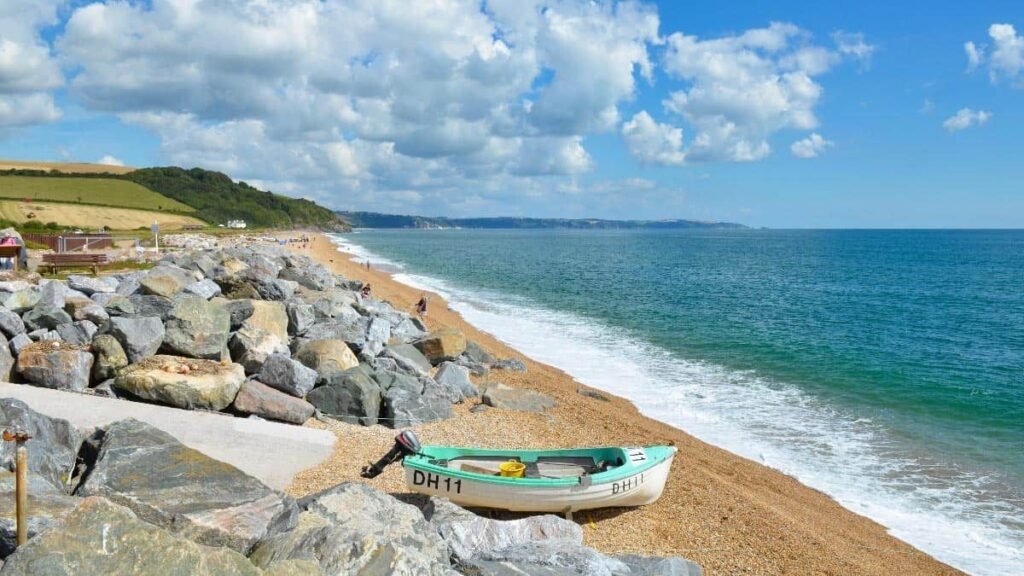
Location: Beesands, South Devon
Best for: Coastal walks and quieter surroundings
Dog access: Year-round, according to regional visitor guidance
Not every beach day needs to involve a huge stretch of golden sand.
Beesands offers a different experience, with a shingle shoreline and an open coastal setting. It may suit dog owners who prefer walking beside the sea rather than spending the afternoon playing on a busy resort beach.
The surface is worth considering before you go. Shingle can be harder on sensitive paws than soft sand, particularly for dogs that are not used to walking on stones.
It is also sensible to check the weather. An exposed beach can feel very different on a windy day, and rough conditions may make a long walk less comfortable.
Before visiting Beesands:
- Take fresh water for your dog.
- Check the condition of the beach and the weather forecast.
- Bring a lead for areas where dogs need to be controlled.
- Allow extra time if you want to explore the surrounding coast.
If you are planning a dog-friendly holiday in South Devon, Beesands is one location worth researching.
4. Slapton Sands: A Beach for Walking and Enjoying the Coast
Location: Near Slapton, South Devon
Best for: Long walks and open coastal views
Dog access: Year-round, according to regional visitor guidance
Slapton Sands is another option for dog owners who enjoy walking rather than staying in one place.
Its long shoreline gives you room to explore, although the amount of usable beach changes with the tide. On some days, the weather can also make the coast feel quite exposed.
This is the kind of beach where it pays to arrive prepared. Comfortable walking shoes, drinking water and a lead are more useful than bringing lots of beach equipment you may not need.
If your dog tends to become excited around other dogs or wildlife, keep it under control and follow any local signs.
Slapton Sands can be included in a wider South Devon trip, especially if you want to spend time exploring the coastline rather than visiting only the main tourist towns.
Good to know: Check tide times before setting off, and never assume the sea is safe for swimming because it looks calm.
5. Hele Bay: A Smaller Beach Near Ilfracombe
Location: Near Ilfracombe, North Devon
Best for: A shorter coastal outing
Dog access: Year-round, according to North Devon visitor information
If you are staying around Ilfracombe, Hele Bay is worth adding to your list.
It offers a smaller-scale beach experience compared with Saunton Sands or Woolacombe. Depending on the tide, you may find the available space more limited, so it is worth checking conditions before making the journey.
This is a useful place to consider if you want to explore different parts of North Devon during your holiday.
You do not necessarily need to spend an entire day at one beach. You could plan a shorter visit, take your dog for a walk and then explore other dog-friendly places in the surrounding area.
Before you go:
- Check local parking arrangements.
- Look at the tide times.
- Take a lead and fresh water.
- Follow any signs about beach access.
Hele Bay is worth considering if you prefer smaller coastal locations and are already exploring the Ilfracombe area.
6. Westward Ho!: A Beach Worth Considering in North Devon
Location: Westward Ho!, North Devon
Best for: Sandy walks and exploring the surrounding area
Dog access: Year-round, with restrictions on certain sections
Westward Ho! is a popular coastal destination, but dog owners should pay attention to the local access rules.
Dogs are permitted throughout the year in designated areas, while restrictions apply to particular sections during the summer months. North Devon Council identifies Sandymere as the permitted dog area during the May-to-September restriction period.
This makes it important to check the current arrangements before travelling, rather than assuming the entire beach is open to dogs.
If you are staying in North Devon, Westward Ho! may be a convenient addition to your itinerary. You can combine your beach visit with a walk around the village and a break at a dog-friendly café, provided the establishment permits pets.
A useful tip: Save the location of the permitted beach access point before leaving your accommodation. It can make finding the correct section much easier when you arrive.
7. Croyde Beach: Better to Plan an Autumn or Winter Visit
Location: Croyde, North Devon
Best for: Coastal scenery and walking outside the main season
Dog access: Seasonal restrictions apply
Croyde is a popular destination for beach lovers, but it requires more planning if you are travelling with a dog.
During the main summer season, dogs are not permitted on the main beach. The beach generally becomes available to dogs again from 1 October to 30 April, subject to current local rules.
This makes Croyde an option to consider for an autumn or winter coastal outing.
The surrounding area also offers coastal walking opportunities. If you want to explore paths near the beach, check the route and keep your dog under control where livestock, wildlife or steep cliff edges are present.
Do not plan a summer trip around Croyde without checking the restrictions first. A nearby beach with year-round dog access may be a better option if your dates are fixed.
Best advice: If Croyde is on your list, consider visiting outside the summer restriction period and check the current notices before setting off.
8. Instow Beach: A More Sheltered Coastal Option
Location: Instow, North Devon
Best for: A relaxed walk beside the estuary
Dog access: Seasonal restrictions apply
Instow offers a different setting from the more exposed Atlantic-facing beaches.
Situated beside the Taw and Torridge estuary, it is worth considering if you prefer a coastal walk with estuary views rather than a day spent among large surf waves.
Dogs are welcome during the permitted periods, but restrictions apply from May to September. Check the current local rules before visiting during those months.
As with any beach, tides can affect the available walking space. Keep an eye on your dog near the water and avoid allowing it to approach unfamiliar wildlife.
Instow is a useful option for anyone looking to explore different dog-friendly places in North Devon.
Which Dog-Friendly Beaches in Devon Are Open All Year?
If you want to avoid seasonal beach restrictions, begin by checking these locations:
| Beach | Area | What to Know |
|---|---|---|
| Saunton Sands | North Devon | Dogs welcome throughout the year; local restrictions apply |
| Beesands Beach | South Devon | Year-round dog access |
| Slapton Sands | South Devon | Year-round dog access |
| Hele Bay | North Devon | Dogs welcome throughout the year |
| Lynmouth Beach | North Devon | Dogs allowed throughout the year |
| Rockham Beach | North Devon | Dogs allowed throughout the year, but check current access conditions |
| Watermouth Beach | North Devon | Dogs allowed throughout the year |
Always check current local information before travelling. A beach may allow dogs while still having restrictions on particular sections, access routes or activities.
Dog-Friendly Beaches in Devon: North Devon or South Devon?
The best area depends on the sort of trip you want.
Choose North Devon if you prefer:
- Large sandy beaches.
- Long walks along the shoreline.
- Popular coastal villages.
- A choice of beaches within the same holiday region.
Saunton Sands, Hele Bay and Woolacombe are useful places to research.
Choose South Devon if you prefer:
- A mix of sandy and shingle beaches.
- Smaller coastal locations.
- Walks beside the sea.
- Exploring the countryside and coastline together.
Beesands and Slapton Sands are worth considering.
You do not need to visit the most famous beach to have a good day out. Sometimes, the best choice is simply the beach with suitable access, comfortable walking conditions and enough space for you and your dog.
Must Read: Dog Friendly Beaches in Cornwall: The Best Beaches to Visit With Your Dog
What to Take on a Beach Trip With Your Dog
You do not need to pack half the house, but a few essentials can make the day easier.
Fresh water: Your dog should have access to drinking water throughout the visit. Do not allow it to drink seawater.
A lead: Even if dogs are allowed off the lead on part of a beach, you may need one in car parks, access paths or designated areas.
Waste bags: Pick up after your dog and dispose of waste in the appropriate bins.
A towel: Sand and seawater can make the journey home uncomfortable if your dog gets wet.
Suitable footwear: Some beaches have pebbles, rocks or uneven paths that can be uncomfortable for both dogs and owners.
Weather protection: On hot days, plan your walk for a cooler time and provide shade where possible.
A little patience: Beaches can be exciting places for dogs. Give yours time to explore safely without allowing it to disturb other visitors.
How to Choose the Right Beach for Your Dog
Before choosing a beach, think about your dog’s usual behaviour.
If your dog loves running across open sand, a large beach such as Saunton Sands may be a better fit than a small cove.
If your dog is nervous around crowds, consider visiting early in the day or choosing a quieter location.
For older dogs, beaches with difficult access or long walks across soft sand may not be ideal. Check the route from the car park to the shore before travelling.
If your dog enjoys swimming, remember that not every beach is suitable for entering the water. Check the conditions and never let your dog swim in rough seas or strong currents.
Most importantly, do not assume that every dog-friendly beach is suitable for every dog. Choose somewhere that matches your pet’s fitness, confidence and needs.
Frequently Asked Questions
Which are the best dog-friendly beaches in Devon?
Saunton Sands, Beesands Beach, Slapton Sands and Hele Bay are good places to start. The best choice depends on your preferred beach type and the date of your visit.
Are dogs allowed on Devon beaches throughout the year?
Yes. Several beaches allow dogs throughout the year, including Saunton Sands, Beesands Beach and Slapton Sands. Local restrictions can still apply to specific sections.
Are dogs allowed on Woolacombe Beach in summer?
Dogs are welcome on permitted sections, but seasonal restrictions apply to parts of the beach. Check the latest beach map before visiting.
Which dog-friendly beaches are in North Devon?
Saunton Sands, Hele Bay, Lynmouth and Watermouth are among the options to investigate. Woolacombe and Westward Ho! also have areas where dogs are permitted, subject to seasonal rules.
Which dog-friendly beaches are in South Devon?
Beesands Beach and Slapton Sands are useful options for dog owners. Check local visitor information for the latest access arrangements.
Are dogs allowed on Croyde Beach?
Dogs are generally excluded from the main beach during the summer restriction period. The beach is normally available to dogs from October through April, subject to local rules.
What is the best time to visit Devon beaches with a dog?
Spring and autumn can be good times for walking, while summer requires extra attention to heat and seasonal restrictions. Winter can offer quieter walks, but weather and sea conditions need careful consideration.
Can I let my dog off the lead on Devon beaches?
That depends on the beach and the section you visit. Follow local signs and keep your dog under control, particularly around wildlife, livestock and other visitors.
Final Thoughts
A beach day with your dog should be enjoyable, not a last-minute search for somewhere that allows pets.
If you are unsure where to begin, look at Saunton Sands for a long sandy walk, Beesands or Slapton Sands for a South Devon outing, or Hele Bay if you are exploring around Ilfracombe.
For summer visits, check the dog rules before leaving home. Restrictions can apply to only one section of a beach, so knowing where you can go makes planning much easier.
Bring water, check the tide and choose a beach that suits your dog. With those basics covered, you will have a much better starting point for exploring the Devon coast together.